
Energy Security Investment in Europe: 6 Strategic Priorities for 2026
Why electricity infrastructure, energy resilience and industrial competitiveness are becoming interconnected priorities for long-term capital allocation.
Why Is Energy Security Becoming an Investment Priority?
Energy security investment in Europe focuses on six interconnected priorities: electricity grid modernization, energy storage, reliable industrial power, energy efficiency, supply diversification and infrastructure resilience. Together, these areas influence industrial competitiveness, operating costs and long-term investment decisions.
For investors, energy security is not simply a question of producing more electricity. It involves the infrastructure required to deliver power, the flexibility needed to manage demand and the regulatory conditions that support financially sustainable projects.
Which infrastructure investments can improve energy reliability while generating sustainable economic value over the long term?
This analysis examines six strategic priorities shaping Europe's energy investment landscape in 2026, together with the opportunities and risks investors should evaluate.
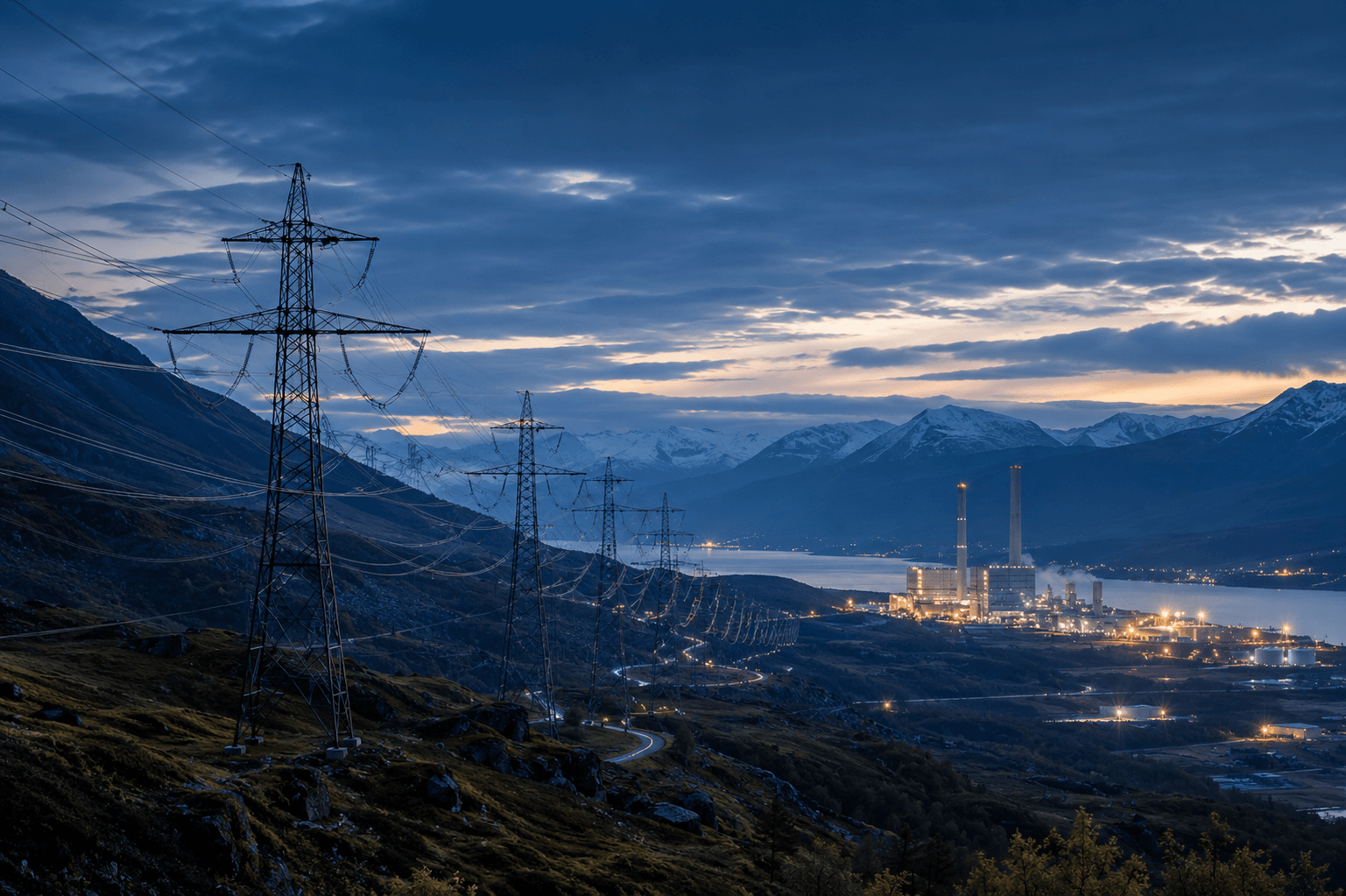
Six Strategic Priorities for Energy Security Investment
Europe's energy transition requires more than investment in generation capacity. Electricity networks, storage, industrial infrastructure and energy efficiency must develop together.
The following priorities provide a framework for evaluating how energy infrastructure can contribute to economic resilience and long-term value.
Electricity Networks and Transmission Capacity
Electricity networks connect generation assets with industrial facilities, businesses and households. Even when sufficient electricity is available, inadequate transmission or distribution capacity can prevent new projects from connecting to the grid.
For investors, network capacity is an important location and project-development factor. Grid reinforcement, interconnections and network modernization can support industrial expansion and improve system flexibility.
Investment consideration: Evaluate grid connection availability, expected reinforcement timelines, regulatory frameworks and infrastructure costs.
Energy Storage and Flexible Electricity Systems
Electricity demand and renewable generation do not always occur at the same time. Storage and flexible system resources can help manage these differences and support electricity system stability.
Battery storage, demand-response solutions and other flexibility technologies may create investment opportunities where market design and revenue mechanisms support viable projects.
Investment consideration: Assess revenue uncertainty, market access, technology performance, asset degradation and exposure to regulatory changes.
Reliable Energy for Industrial Development
Industrial investment decisions depend on infrastructure reliability, operating costs and the ability to support future expansion.
Energy-intensive industries, advanced manufacturing facilities and digital infrastructure require dependable electricity and, in many cases, substantial additional network capacity.
Locations offering suitable infrastructure, predictable connection processes and competitive operating conditions may be better positioned to attract industrial investment.
Investment consideration: Review site-specific energy availability, connection costs, long-term supply arrangements and infrastructure development requirements.
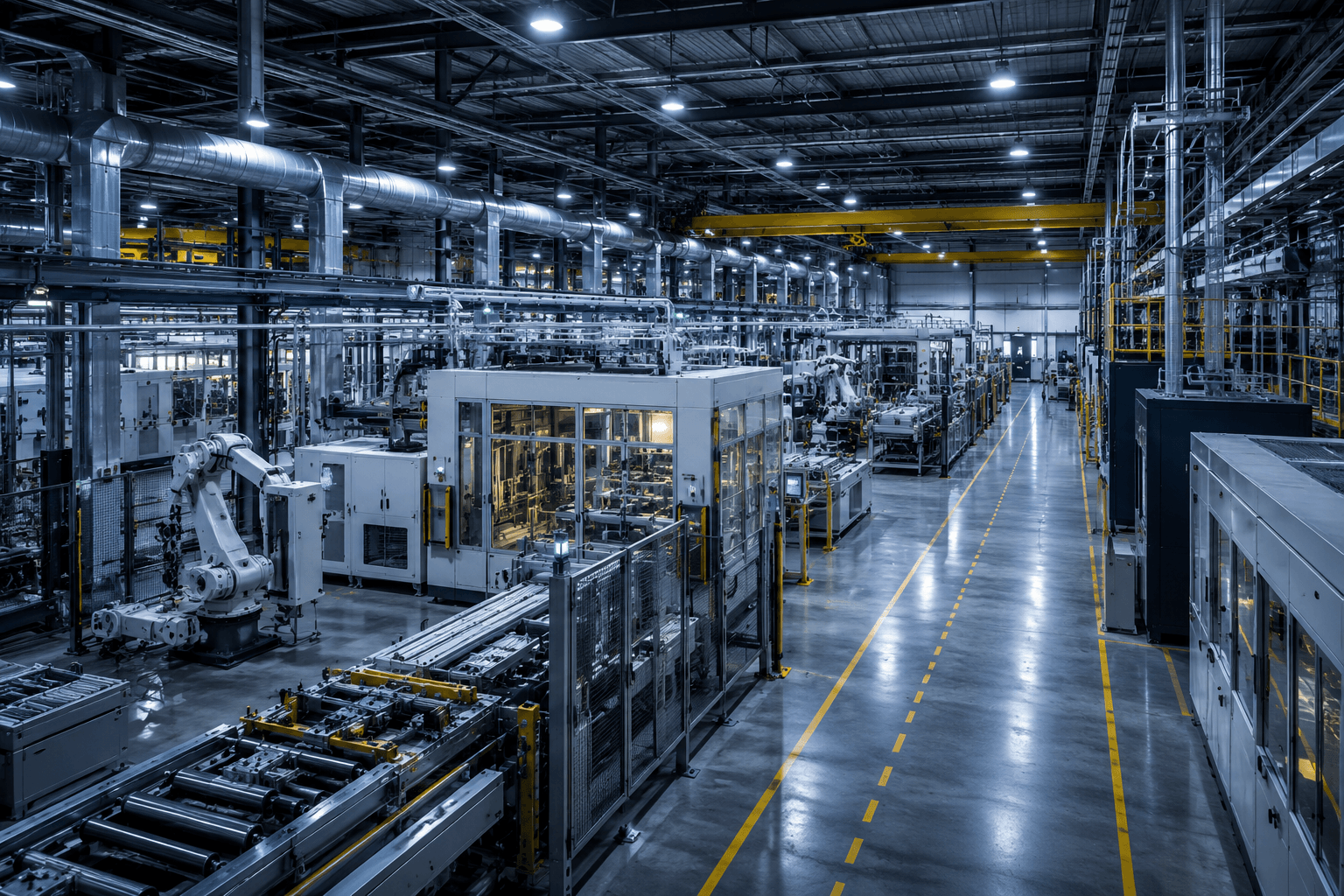
Energy Efficiency and Industrial Modernization
Improving energy efficiency can reduce operating costs and limit exposure to electricity and fuel price volatility.
Modern industrial equipment, efficient buildings, digital energy-management systems and optimized production processes can help businesses use existing energy resources more effectively.
For long-term investors, efficiency investments may offer value through lower operating expenditure, improved asset performance and reduced exposure to energy shocks.
Investment consideration: Compare implementation costs with measurable energy savings, maintenance requirements and realistic payback periods.
Diversified Energy Sources and Supply Routes
Energy systems that depend heavily on a limited number of suppliers, technologies or transport routes may face greater exposure to external disruptions.
Diversification can involve a combination of generation technologies, cross-border connections, alternative supply routes and appropriate contractual arrangements.
From an investment perspective, diversification should be evaluated alongside cost, infrastructure availability, environmental requirements and long-term market demand.
Investment consideration: Examine concentration risks, supply contracts, infrastructure dependencies and potential geopolitical exposure.
Infrastructure Resilience and Regulatory Stability
Energy infrastructure projects often involve substantial initial investment and long operating lifetimes.
Their economic performance can be influenced by permitting procedures, regulatory decisions, network tariffs, physical climate risks and changing market conditions.
Resilient investment planning therefore requires consideration of both physical infrastructure and the institutional environment in which projects operate.
Investment consideration: Evaluate permitting risk, regulatory exposure, project financing, infrastructure resilience and long-term operating assumptions.
How Europe's Energy Priorities Influence Capital Allocation
European energy policy increasingly connects energy security, competitiveness and infrastructure modernization.
The European Commission's energy security framework addresses the importance of reliable supply, diversification and system resilience.
The European energy infrastructure agenda highlights the role of interconnected networks in supporting an integrated energy market.
The International Energy Agency's World Energy Investment 2025 provides additional context on global energy investment trends and the capital requirements associated with energy systems.
The investment opportunity is not limited to energy production. It extends to the infrastructure that enables electricity to be transported, stored, managed and used productively.
These developments do not imply that every energy infrastructure project represents an attractive investment. Project economics remain dependent on location, demand, financing, regulation and execution quality.

How Should Investors Evaluate Energy Infrastructure Opportunities?
Before committing capital to an energy-related infrastructure project, investors should assess its commercial fundamentals and exposure to operational and regulatory risks.
Demand Fundamentals
Is there a credible long-term need for the infrastructure or service being developed?
Grid and Infrastructure Access
Are connection capacity, infrastructure requirements and implementation timelines clear?
Revenue Model
How will the project generate revenue, and how sensitive is that revenue to market conditions?
Regulatory and Permitting Risk
Which approvals, licenses and regulatory decisions could affect development or operations?
Capital Expenditure and Financing
Are construction costs, financing assumptions and potential cost overruns adequately assessed?
Long-Term Asset Resilience
Can the infrastructure remain economically relevant under changing technological, environmental and market conditions?
Energy Infrastructure as a Foundation for Long-Term Value
At Focus Invest Group, we consider energy infrastructure an important component of the wider investment environment.
The relationship between energy availability, industrial development and infrastructure capacity deserves particular attention when evaluating long-term investment opportunities.
Our analytical perspective emphasizes the interaction between physical infrastructure, commercial fundamentals, institutional conditions and the ability of projects to create durable economic value.
Sustainable investment value emerges when infrastructure capacity, industrial demand and disciplined capital allocation reinforce one another.
Focus Invest Group / Strategic Perspective
Energy security should therefore be assessed not as an isolated sector, but as part of a broader framework for industrial competitiveness and long-term economic development.
Energy Security Investment: Key Questions
What is energy security investment?
Energy security investment involves allocating capital to assets and systems that support reliable, resilient and economically sustainable energy supply. This can include electricity networks, storage, generation, efficiency improvements and supporting infrastructure.
Why is energy security important for industrial investors?
Industrial facilities depend on predictable energy availability and manageable operating costs. Infrastructure limitations or supply disruptions can affect project feasibility, production continuity and profitability.
Which energy infrastructure segments may attract investment?
Relevant segments include transmission and distribution networks, energy storage, industrial efficiency, grid modernization and infrastructure supporting flexible electricity systems. Investment attractiveness varies by project and market.
What are the main risks of energy infrastructure investment?
Important risks include regulatory changes, construction delays, financing costs, technology performance, market volatility and uncertainty about future demand or project revenues.
Does energy security guarantee investment returns?
No. Strong demand for energy infrastructure does not guarantee that an individual project will generate attractive returns. Commercial feasibility, financing, execution and risk management remain essential.
Conclusion: Energy Security and Europe's Investment Future
Energy security investment in Europe is becoming increasingly relevant to decisions about infrastructure, industrial development and long-term capital allocation.
Electricity networks, storage, efficiency, diversified supply and resilient infrastructure form an interconnected investment landscape.
For investors, the central challenge is to distinguish structural demand from individual project attractiveness.
At Focus Invest Group, our perspective remains grounded in disciplined evaluation, infrastructure fundamentals and the pursuit of sustainable long-term value.
Institutional Sources
The following institutional resources provide background information on European energy security, infrastructure and investment trends.
- European Commission — Energy Security
- European Commission — Energy Infrastructure
- International Energy Agency — World Energy Investment 2025
- Eurostat — Energy Statistics
- European Investment Bank — Publications
This article is published for general informational and analytical purposes. It does not constitute individualized investment, financial or legal advice.